The Next Economy Will Be Designed Around Regeneration, Not Consumption
For more than a century, the global economy has largely operated through a linear model: extract, produce, consume, and discard. While this system accelerated industrial growth and mass production, it also contributed to environmental instability, resource depletion, supply chain fragility, and unprecedented levels of waste generation.
A growing body of research now suggests that the next era of economic development may not be defined by how much organizations produce, but by how intelligently they preserve, regenerate, and circulate value across interconnected systems. This transition is increasingly described as the shift toward a circular economy.
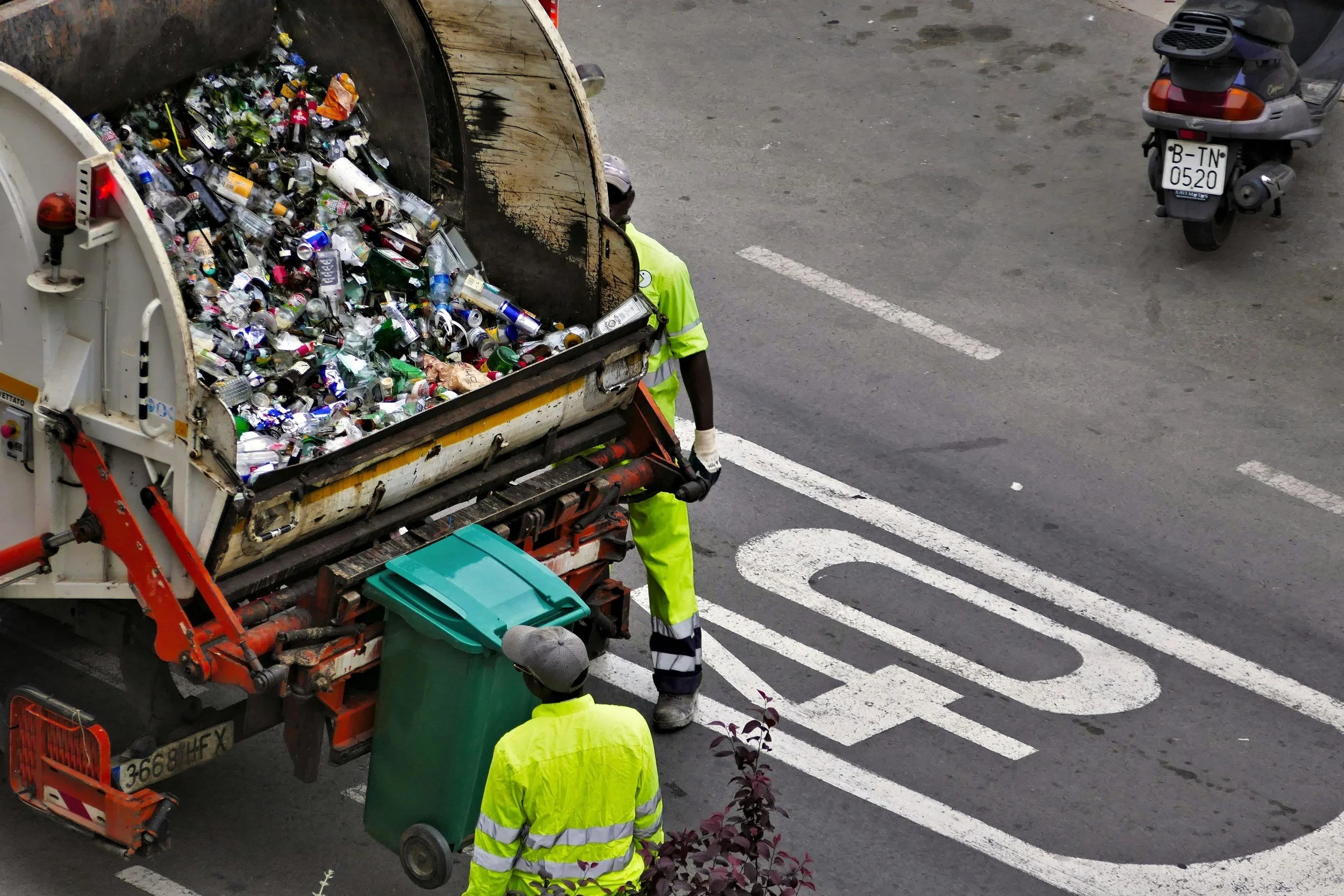
Waste Is Becoming an Economic Design Problem
According to research from the World Bank, waste management is becoming deeply connected to urban resilience, infrastructure planning, public health, and economic competitiveness. Their global analysis across hundreds of economies highlights that rapidly growing urban populations and rising consumption patterns are placing enormous pressure on existing waste systems.
Rather than viewing waste as a purely environmental issue, policymakers and researchers are increasingly framing it as a structural economic challenge.
At the same time, organizations such as the Ellen MacArthur Foundation argue that economies built on “take-make-dispose” systems are fundamentally inefficient because they destroy value after a single use cycle. Circular economy models aim to redesign this relationship by keeping materials, products, and resources in circulation for as long as possible while reducing environmental degradation and rebuilding ecological systems.
The scale of global waste production reveals why this transition matters. Studies show that only a small percentage of plastic materials produced globally are made from recycled inputs, while vast amounts of waste continue to accumulate in landfills or leak into ecosystems.
Research highlighted by The Guardian found:
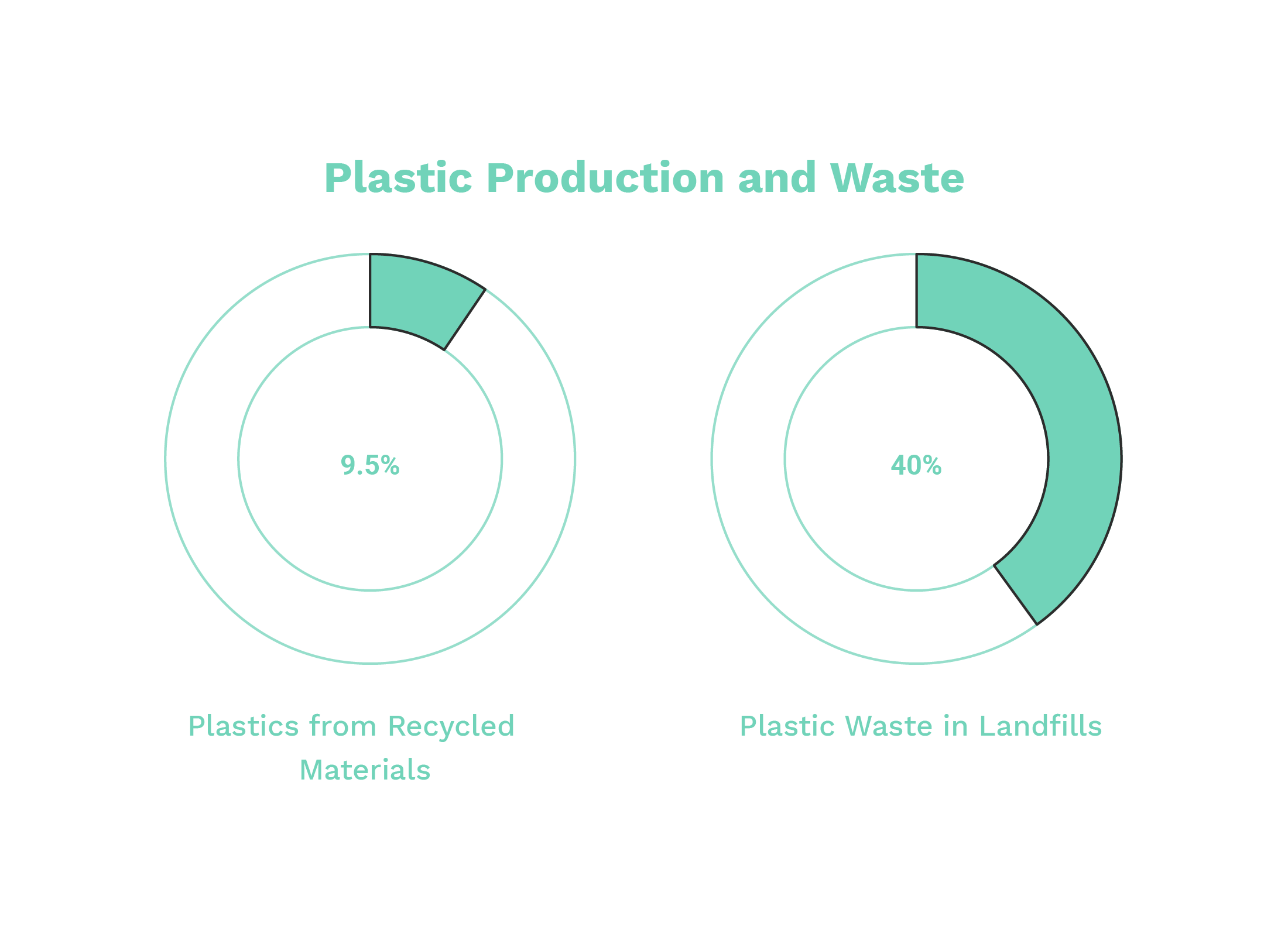
This reveals a deeper systems problem. The issue is not simply that waste exists, but that many economic systems were never designed to recover value after consumption. Linear systems prioritize extraction speed and short-term efficiency, whereas circular systems prioritize continuity, adaptability, and long-term resilience.
Circular Economies Could Become Major Economic Drivers
Researchers increasingly suggest that circular economic models could become major drivers of future economic growth.
The Ellen MacArthur Foundation estimates that circular systems across sectors such as manufacturing, infrastructure, mobility, and consumer goods could generate hundreds of billions of dollars in material savings and new economic opportunities. In Europe alone, research cited by the foundation projects that circular approaches in medium-lived consumer sectors could produce annual material cost savings reaching hundreds of billions of dollars.
The built environment is also becoming a central area of focus. Research discussed by Reuters argues that circular construction systems, adaptive material reuse, and regenerative urban development could simultaneously:
reduce emissions,
lower material waste,
strengthen infrastructure resilience,
and generate substantial economic returns.
These findings are changing how sustainability is understood within business strategy. Rather than being viewed solely as a compliance issue or branding exercise, sustainability is increasingly being treated as an operational and economic opportunity.
Why Businesses Are Rebuilding Their Systems
Recent global disruptions have exposed the vulnerability of highly optimized linear systems. Events such as economic shocks, geopolitical unrest, climate-related crises, and supply chain disruptions have shown that many industries lack the flexibility needed under pressure.
Current research on circular supply chains indicates that regenerative systems could offer greater long-term resilience by:
reducing reliance on volatile raw materials, enhancing operational flexibility, prolonging
the lifespan of products and materials, and improving resource efficiency. Consequently, many organizations are now redesigning their operations to focus on durability, recovery, reuse, and renewable infrastructure.
This shift is already impacting fields such as architecture, fashion, logistics, mobility, healthcare, manufacturing, and urban planning. This change is no longer just theoretical; it is actively happening.
Design Is Becoming Strategic Infrastructure
One of the key shifts in this transition is the changing role of design. Traditionally, design was seen as a visual or aesthetic layer added after strategic decisions. Now, design is increasingly a systems-level discipline that influences operational behavior, customer experience, infrastructure planning, and long-term resilience.
Research on circular systems highlights that real transformation requires redesigning entire operational ecosystems, not just isolated sustainability efforts.
This involves designing products for repair, creating flexible service systems, improving material recovery, and developing operational models that sustain ecological and economic value over the long term. Ultimately, the future economy may focus less on short-term production and more on building systems that preserve value over time.
The Role of Artificial Intelligence and Technology
Artificial intelligence and machine learning are increasingly integral to emerging circular economies.
Academic research highlights the growing adoption of AI-driven technologies in areas such as
reverse logistics,
predictive maintenance,
waste sorting, material tracking,
and supply chain optimization.
As economic systems grow more interconnected and operational complexity rises, intelligent technologies are likely to become vital tools for minimizing inefficiency and enabling large-scale regenerative initiatives.
The integration of sustainability, systems thinking, and intelligent infrastructure has the potential to define the future of economic systems.
Looking Forward
The broader implication suggests that the future economy could shift from emphasizing short-term production to developing systems that maintain value over time. Organizations might be evaluated not only on profitability but also on factors such as system resilience, waste reduction, efficiency, resource management intelligence, and ecological and social responsibility.
In this changing landscape, forward-thinking companies may go beyond simply selling products or services and focus on building adaptable ecosystems that simultaneously support infrastructure, communities, economies, and the environment.
References
World Bank. What a Waste Global Database.
https://www.worldbank.org/en/programs/tokyo-development-learning-center/brief/what_a_waste_3
Ellen MacArthur Foundation. The Circular Economy in Detail.
https://www.ellenmacarthurfoundation.org/the-circular-economy-in-detail-deep-dive
Ellen MacArthur Foundation. Circular Supply Chains.
https://www.ellenmacarthurfoundation.org/circular-supply-chains
Reuters. Why the Circular Built Environment Makes Economic and Environmental Sense.
https://www.reuters.com/sustainability/climate-energy/comment-why-circular-built-environment-makes-economic-environmental-sense-2024-02-23/
The Guardian. Only 9.5% of Plastic Made From Recycled Materials, Study Shows.
https://www.theguardian.com/environment/2025/apr/10/just-95-of-plastic-made-in-2022-used-recycled-material-study-shows
ArXiv. Artificial Intelligence Applications in Circular Economy Systems.
https://arxiv.org/abs/2205.01042
Photo by Antoine GIRET on Unsplash
Photo by Marc Newberry on Unsplash
Photo by Nick Fewings on Unsplash